
Home Care Caregiver Onboarding: A Practical 30-Day Checklist
November 9, 2026 · KGY Digital · 5 min read
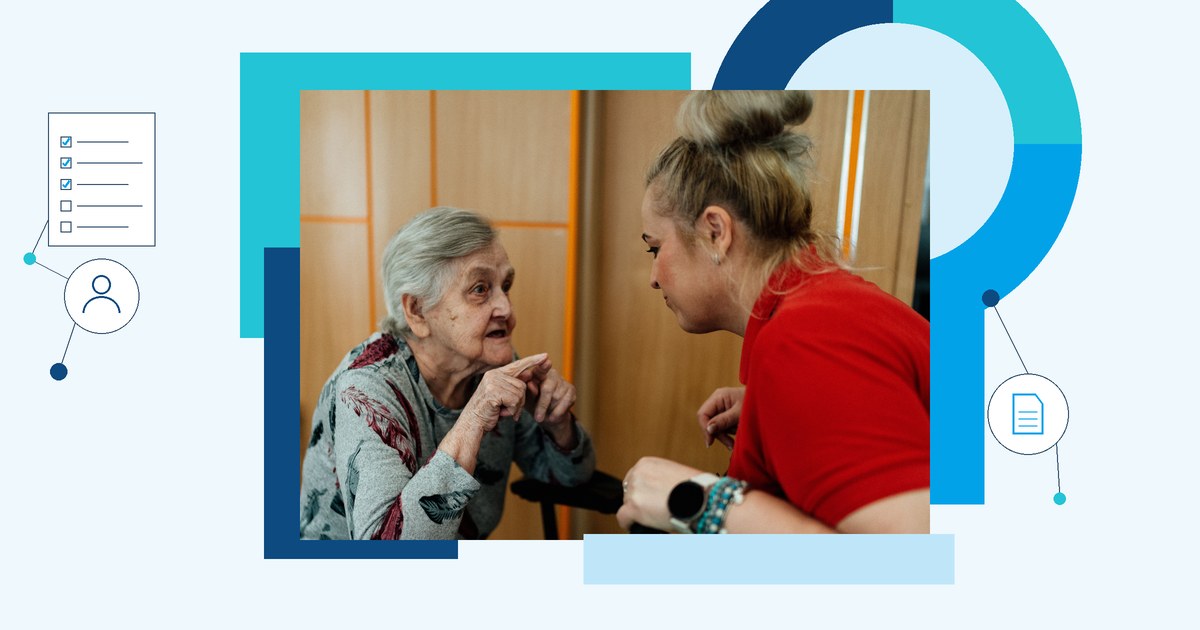
Featured image: photo by Jsme MILA on Pexels, set in KGY Digital artwork. The people pictured are stock models.
If you own a non-medical home care agency, you already know how much effort it takes to recruit one good caregiver. You post the job, screen applicants, interview, and finally make the offer. Then the first week arrives, and the new hire is unsure where to park, which routine the client expects, or who to call when something feels off. A steady, supportive start can help a new caregiver feel ready to stay.
Hiring is not the finish line. A repeatable, person-centered first month clarifies four things for every new caregiver: their role, their assignment, the support available to them, and what happens next. This guide gives you a practical 30-day plan, a copyable checklist, and a short check-in script you can use this week.
Build a home care caregiver onboarding checklist before the first shift
Good home care caregiver onboarding starts before the caregiver ever meets a client. Use this pre-start list so nothing important depends on memory:
- Verify requirements. Confirm that applicable screening, background checks, and training requirements for your state and service type are complete and documented.
- Explain the role and the assignment. Share role scope and client-specific details through secure, authorized channels only, never through personal texts or unprotected email.
- Name a reachable supervisor. Give the caregiver one person's name and number, plus a backup for evenings and weekends.
- Clarify schedule, timekeeping, and pay. Walk through how to clock in, how shift changes are requested, and when and how pay arrives.
- Book the first check-in. Put a short call on the calendar for right after the first shift, before the shift happens.
Training time deserves a careful look as well. The U.S. Department of Labor's Fact Sheet 22 on hours worked summarizes when training and meeting time may need to count as work time under the FLSA. Rules vary, so verify the federal and state requirements that apply to your agency with a qualified advisor.
Prepare for the first shift
The first shift sets the tone. Before or at the start of it, orient the caregiver to:
- The client's daily routine and preferences, as documented in the care plan
- Task boundaries: what is included in this assignment and what is outside non-medical scope
- How to report a safety concern, a change in the client's condition, or an incident
- Exactly whom to call, and what to do if that person does not answer
Make one point plainly: a new caregiver should never be asked to improvise beyond their training or role. If something comes up that is not in the plan, the right move is to pause and call. The NIOSH Homecare Workers' Handbook offers practical tools for recognizing hazards in a client's home, communicating safety concerns, and taking simple steps to reduce risk. It is a helpful resource to review together during orientation.
Week 1: two short check-ins
Schedule a brief call after the first shift and another by the end of the first week. Keep both calls short and practical. Ask about:
- Anything about expectations that felt unclear
- Whether the schedule is workable
- How the client's routine went and what surprised them
- Any safety concern, however small
- What support would help before the next shift
Every answer that needs action gets one owner. If the caregiver needs a schedule change, a supply, or a clearer task list, name the person who will follow through and the day they will close the loop.
Limited-time offer
Newly licensed agency?
Launch your home care website for a $495 setup fee $995, plus $89/month for managed website and business email.
View the Special OfferAvailable only to newly licensed home care agencies.
Days 8 to 30: mentor support and steady touchpoints
After week one, pair the caregiver with a named peer mentor or supervisor and hold a weekly touchpoint. Work on one barrier at a time. A caregiver who is juggling transportation, a new client, and an unfamiliar timekeeping app will do better when each issue is solved in order instead of all at once.
Peer mentoring is one approach worth considering. PHI's case study of Cooperative Home Care Associates describes new aides paired with experienced peer mentors, with case-manager support through recruitment and onboarding. It is one organization's example, not a guarantee of results, but it shows how structured support can be built into the early weeks.
At day 30, sit down together and agree on next steps: one or two skills to build, any additional support, and how check-ins will continue from here.
Copyable new caregiver checklist
Copy this into your intake or HR system, or print it for each new hire.
| Phase | Step | Owner | Done / next action |
|---|---|---|---|
| Before start | Applicable screening and training verified | ||
| Before start | Role scope and assignment shared securely | ||
| Before start | Supervisor and backup contact named | ||
| Before start | Schedule, timekeeping, and pay explained | ||
| First shift | Routine, task boundaries, and safety reporting reviewed | ||
| Week 1 | Check-in after first shift | ||
| Week 1 | End-of-week check-in | ||
| Days 8 to 30 | Mentor or supervisor assigned; weekly touchpoints | ||
| Day 30 | Next skills and support agreed |
A short check-in script for managers
"Thanks for making time. I want to make sure you have what you need."
- "What went well on your shift?"
- "Was anything about the client's routine or your tasks unclear?"
- "Did anything feel unsafe or uncomfortable?"
- "Is your schedule working for you?"
- "What is one thing we can help with before your next shift?"
"Here's what I'll follow up on, and when you'll hear back."
Review the process, not just the person
Once a month, look at your onboarding as a system. For each new caregiver, note whether the checklist was completed, whether they felt ready for the first shift, whether each check-in actually happened, which questions are still open, and whether the schedule changed. Patterns will show you where to improve, without needing outside benchmarks. A step that is often skipped may need a clearer owner. A question that keeps coming up may belong in pre-start orientation.
Support the full caregiver journey
Onboarding works best when it connects to how you recruit and how your team keeps track of follow-ups. KGY Digital helps non-medical agencies with caregiver recruitment marketing and simple systems that keep applicants and new hires from slipping through the cracks. If you are also building client referrals, our home care referral guide pairs well with this checklist.
Want help setting up a smoother path from applicant to confident caregiver? Contact KGY Digital and we will talk through what fits your agency.